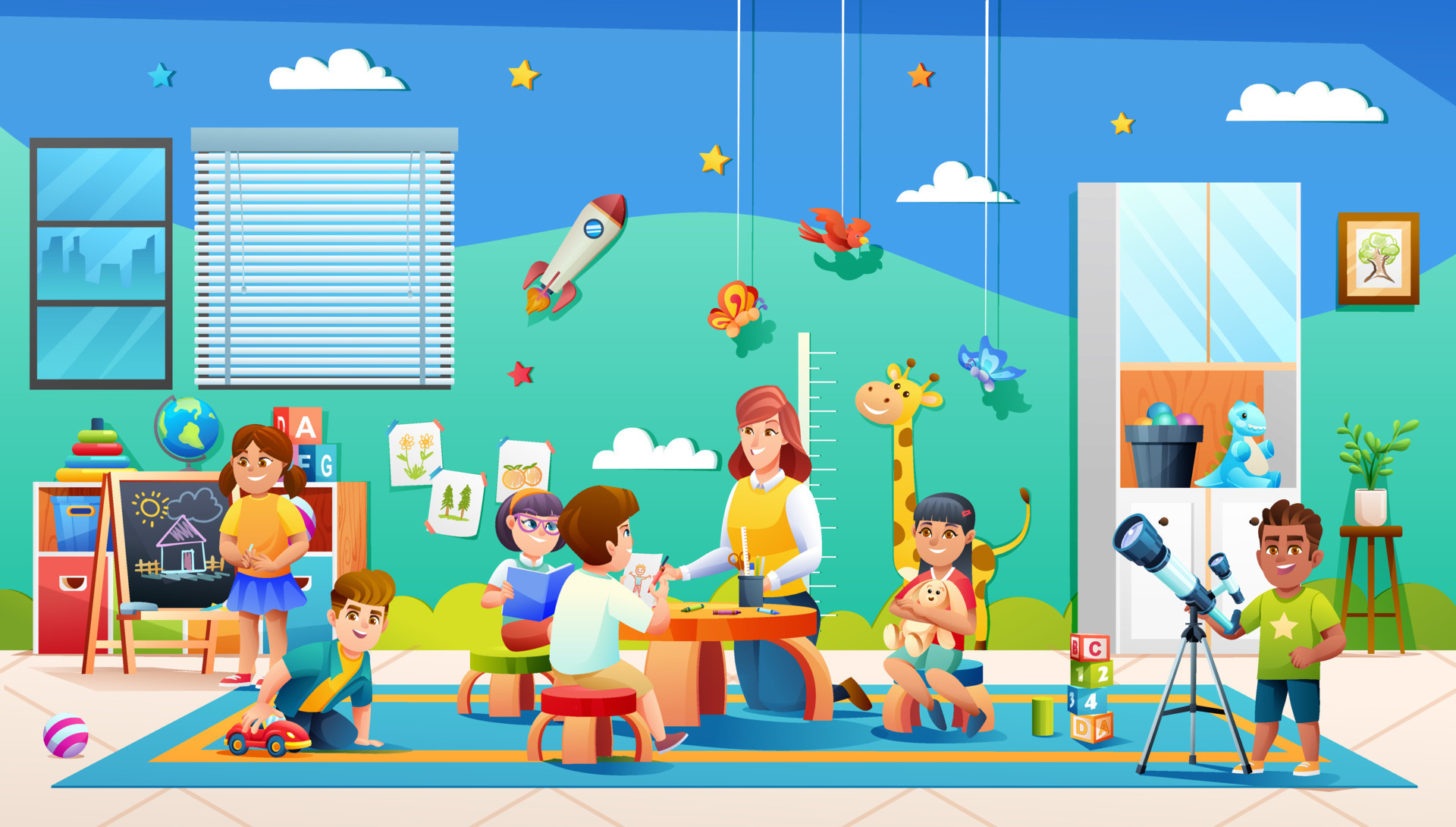

Preschool plays a crucial role in a child’s early development, acting as the first structured learning environment outside the home. At this stage, children begin to explore the world around them in a guided and supportive setting. A quality preschool program focuses not only on academic readiness but also on social, emotional, and cognitive growth. By introducing children to basic concepts such as numbers, letters, and communication skills, preschool helps create a strong foundation that supports future learning experiences.
Early Social and Emotional Development
One of the most significant benefits of preschool is the opportunity it provides for social and emotional development. Children learn how to interact with peers, share resources, and express their feelings appropriately. These early interactions help them build confidence and develop empathy. In a preschool environment, children are encouraged to work together, resolve conflicts, and understand the importance of cooperation. These social skills are essential not just for school, but for life in general.
Cognitive Growth Through Play-Based Learning
Preschool education often emphasizes play-based learning, which is a highly effective method for young children. Through activities like storytelling, puzzles, and creative play, children develop critical thinking and problem-solving skills. This approach allows them to learn naturally while staying engaged and curious. A well-designed preschool curriculum integrates fun and education, helping children absorb new information without feeling pressured or overwhelmed.
Developing Language and Communication Skills
Language development is another key area where preschool makes a significant impact. Children are exposed to new vocabulary, sentence structures, and ways of expressing themselves. Teachers play a vital role by encouraging conversations, reading stories, and engaging children in group discussions. Over time, these interactions help children improve their speaking and listening abilities. Strong communication skills gained in preschool can greatly enhance a child’s confidence and academic success in later years.
Preparing for Formal Schooling
Preschool acts as a bridge between home and formal schooling, making the transition to primary education smoother and less intimidating. Children become familiar with routines, instructions, and classroom expectations. They learn how to focus on tasks, follow directions, and participate in group activities. This early exposure helps reduce anxiety and builds a sense of independence. As a result, children who attend preschool are often better prepared to handle the demands of formal education.
Encouraging Creativity and Curiosity
Creativity is an essential part of early childhood development, and preschool provides the perfect environment for it to flourish. Activities such as drawing, music, dance, and imaginative play allow children to express themselves freely. At the same time, their natural curiosity is nurtured through exploration and discovery. Teachers encourage children to ask questions and experiment with new ideas, helping them develop a love for learning that lasts a lifetime.
Long-Term Benefits of Preschool Education
The impact of preschool extends far beyond the early years. Studies have shown that children who attend preschool tend to perform better academically, have stronger social skills, and are more likely to succeed in their careers. The experiences and skills gained during this stage create a solid foundation for lifelong learning and personal growth. By investing in quality preschool education, parents and communities are investing in a brighter future for the next generation.

