
A Child’s First Step into Learning
Preschool is often the beginning of a child’s educational journey. It is a place where children learn through play, creativity, and interaction with others. During these early years, children develop important social, emotional, and academic skills that help prepare them for elementary school and future learning experiences.
A preschool classroom provides a safe and supportive environment where children can explore new ideas and build confidence. Teachers guide children through activities that encourage curiosity, imagination, and communication. These experiences help young learners become more independent and excited about education.
Social Development Through Preschool Activities
One of the most valuable aspects of preschool is the opportunity for children to interact with others their age. Through group activities, children learn how to share, cooperate, and communicate effectively. They also begin understanding the importance of kindness, patience, and teamwork.
Simple classroom routines such as circle time, singing songs, and playing games together help children feel connected and included. These daily interactions support emotional growth and help children develop positive relationships with classmates and teachers.
Encouraging Creativity and Imagination
Preschool classrooms are designed to inspire creativity. Art projects, music, storytelling, and pretend play allow children to express themselves in fun and meaningful ways. Creative activities help improve problem-solving skills while also encouraging children to think independently.
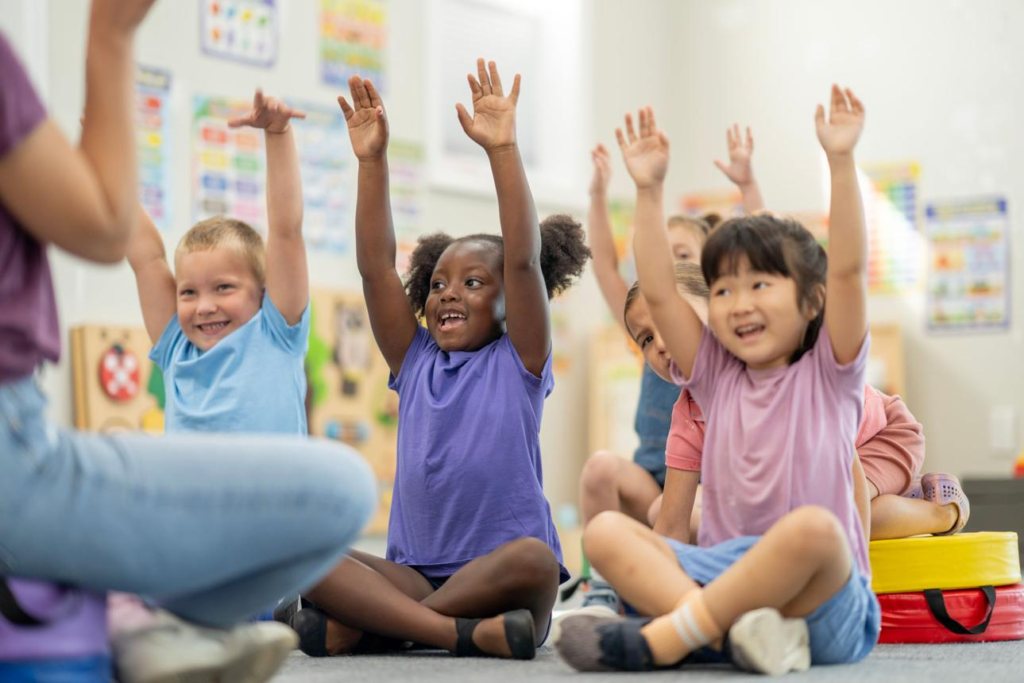
Whether they are painting pictures, building with blocks, or acting out stories, preschool children learn best through hands-on experiences. These activities not only support learning but also make school enjoyable and exciting for young minds.
Learning Basic Academic Skills
Preschool introduces children to early academic concepts in a playful and engaging way. Children begin learning letters, numbers, colors, shapes, and simple words through songs, games, and educational activities.
Teachers use age-appropriate lessons to help children develop listening skills, memory, and concentration. These early learning experiences create a strong foundation for reading, writing, and math in later school years.
Building Confidence and Independence
Preschool helps children gain confidence by encouraging them to try new things and complete tasks on their own. Activities such as cleaning up toys, choosing classroom materials, and following simple instructions teach responsibility and independence.
Children also learn how to express their thoughts and emotions in a healthy way. Positive encouragement from teachers helps children feel proud of their achievements and motivates them to continue learning and growing.
The Importance of Play in Early Childhood
Play is one of the most important parts of preschool education. Through play, children explore their environment, develop motor skills, and improve their creativity. Educational games and interactive activities help children learn naturally while having fun.
Outdoor play is equally important because it supports physical health and encourages teamwork. Running, climbing, and group games help children build coordination and social skills while staying active and engaged.
Preparing Children for Future Success
Preschool education provides children with the tools they need for future success. The combination of social interaction, creative learning, and early academic experiences helps children become more confident and prepared for elementary school.
By attending preschool, children develop important life skills that continue to benefit them as they grow older. A strong preschool experience can inspire a lifelong love of learning and help children build a positive attitude toward education.
