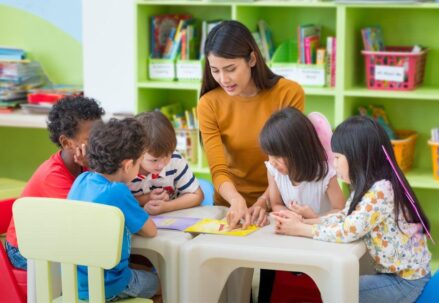
Preschool is one of the most important stages in a child’s early development. It is where children begin to learn social skills, basic education concepts, and emotional awareness in a structured yet playful environment. Institutions like preschool focus on nurturing curiosity, creativity, and confidence during these formative years. Through guided play and interactive learning, preschool helps children prepare for formal schooling while developing essential life skills.
A Joyful Start to Early Learning
Preschool introduces children to a world of learning through fun and engaging activities. Instead of traditional academic pressure, children learn through storytelling, songs, games, and hands-on exploration. This approach helps them develop a positive attitude toward education from an early age.


7
The cheerful environment encourages children to participate actively, making learning feel natural and enjoyable.
Social and Emotional Development
One of the key benefits of preschool is helping children build social and emotional skills. They learn how to share, communicate, and work with others in group settings. These early interactions teach empathy, patience, and cooperation.


6
Teachers play an important role in guiding children through their emotions and helping them understand how to express themselves appropriately.
Learning Through Play
Play-based learning is at the heart of preschool education. Activities like building blocks, drawing, music, and outdoor games are designed to develop cognitive and motor skills. Through play, children learn problem-solving, coordination, and creativity.


5
This method ensures that children remain engaged while naturally absorbing important educational concepts.
Language and Cognitive Growth
Preschool also plays a crucial role in language development and cognitive growth. Children are introduced to letters, numbers, and simple communication exercises. Reading stories and engaging in conversations help expand vocabulary and comprehension skills.


7
These early learning experiences build a strong foundation for future academic success.
A Safe and Supportive Environment
A good preschool provides a safe, nurturing, and structured environment where children feel secure and valued. Teachers are trained to support individual needs while encouraging independence and confidence.


6
Safety, care, and emotional support are essential components that help children thrive during their early years.
Preparing for Future Success
Preschool serves as the foundation for lifelong learning. Children who attend preschool often adapt better to formal schooling, showing improved academic readiness and social confidence. Early exposure to structured learning helps them develop discipline, curiosity, and problem-solving abilities.


7
By the time they move on to primary school, they are better prepared to face new challenges with enthusiasm and confidence.