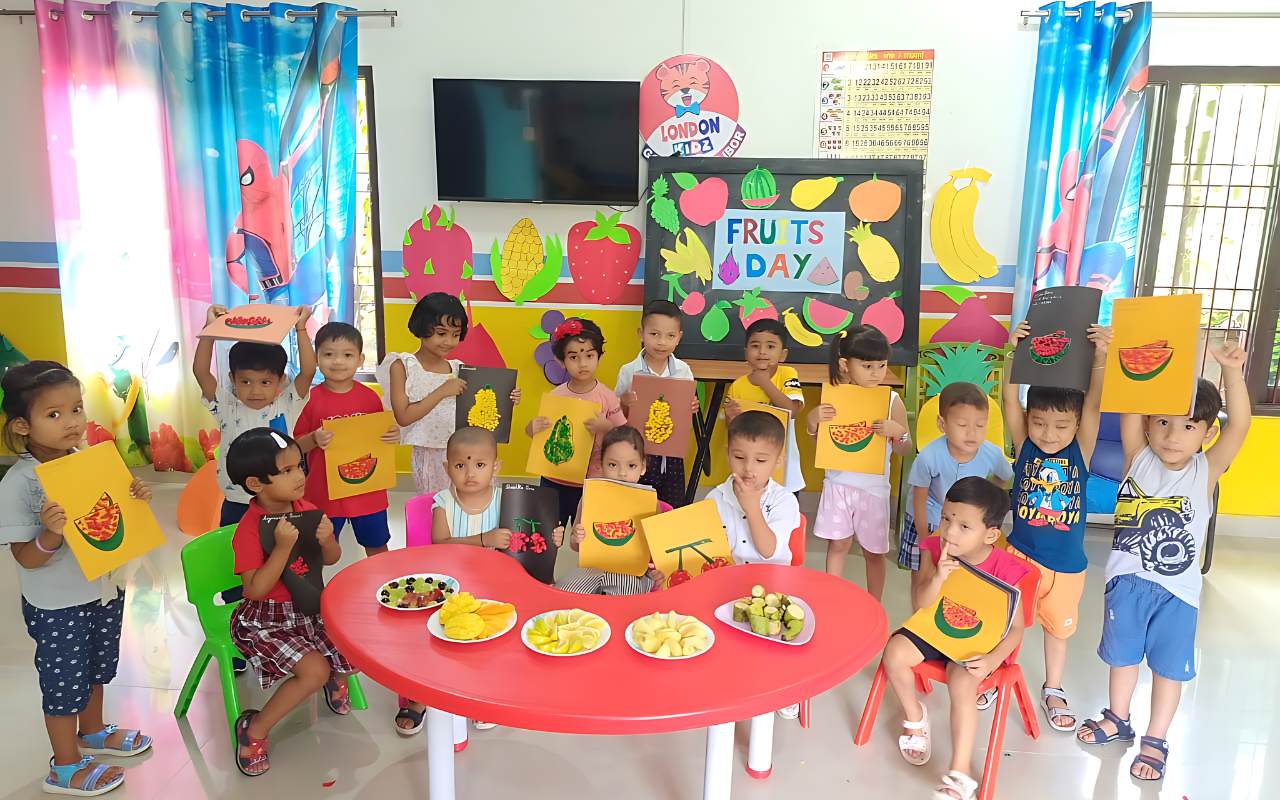

The Growing Importance of Preschool Education
Early childhood education has become one of the most important foundations for lifelong learning and personal development. Modern preschool programs are designed not only to prepare children academically but also to support emotional, social, and creative growth during their most important developmental years. Unlike traditional approaches that focused mainly on memorization and discipline, today’s preschool environments encourage exploration, imagination, and interactive learning experiences that help children build confidence and curiosity.
Research continues to show that children who participate in quality preschool programs often develop stronger communication skills, better problem-solving abilities, and improved social interaction. These early experiences shape how young learners approach education in later years and help create positive attitudes toward learning. Modern preschool activities are carefully designed to make education enjoyable while supporting essential cognitive and emotional development.
Creative Learning Through Play-Based Activities
One of the defining features of modern preschool education is the use of play-based learning. Young children naturally learn through play, exploration, and hands-on experiences. Preschool classrooms now integrate educational games, storytelling, music, and imaginative activities that allow children to develop important skills while having fun.
Creative play encourages children to express themselves freely and explore their imagination. Activities such as role-playing, building blocks, drawing, and pretend games help children develop language skills, social understanding, and emotional intelligence. These experiences also improve problem-solving abilities as children learn how to cooperate, negotiate, and make decisions during group activities.
Play-based learning creates an environment where children feel comfortable experimenting and asking questions without fear of failure. This positive atmosphere strengthens curiosity and encourages independent thinking, which are important qualities for future academic success and personal growth.
Developing Communication and Social Skills
Modern preschool programs place strong emphasis on communication and social interaction because these skills are essential for a child’s overall development. Young learners spend time interacting with classmates, teachers, and group activities that encourage teamwork and emotional understanding.
Children learn how to share, listen, express feelings, and cooperate with others through structured classroom experiences. Group storytelling sessions, collaborative games, and interactive discussions help improve vocabulary and speaking confidence while teaching respect for different perspectives. These social interactions prepare children for future educational environments where teamwork and communication are increasingly important.
Preschool settings also help children build emotional resilience and self-confidence. Positive encouragement from teachers and peers helps young learners feel valued and supported. As children become more comfortable expressing themselves, they develop stronger emotional awareness and better interpersonal skills that benefit them throughout life.
Technology and Innovation in Preschool Learning
Technology is becoming an increasingly important part of modern preschool education. While traditional hands-on activities remain essential, educational technology now supports interactive and engaging learning experiences for young children. Smart learning tools, digital storybooks, educational apps, and interactive whiteboards are helping educators create more dynamic classroom environments.
Educational technology can improve visual learning and make complex concepts easier for young children to understand. Interactive activities that combine sound, movement, and visual elements help maintain attention and encourage active participation. Children can explore numbers, letters, colors, and shapes through educational games designed specifically for early learners.
Modern preschool technology also allows teachers to personalize learning experiences based on each child’s needs and progress. Some digital platforms help educators track developmental milestones and identify areas where children may need additional support. When used appropriately, technology enhances creativity and learning while maintaining the playful and interactive nature of preschool education.
Encouraging Creativity Through Arts and Exploration
Creativity is a major focus in modern preschool classrooms because it helps children develop imagination, confidence, and independent thinking. Art-based activities such as painting, crafting, dancing, music, and storytelling encourage self-expression and allow children to explore their ideas in unique ways.
Creative exploration supports brain development by stimulating curiosity and encouraging experimentation. Children learn to think creatively when they are given opportunities to solve problems, create projects, and express emotions through artistic activities. These experiences help build critical thinking skills while making learning more enjoyable and memorable.
Outdoor activities and nature exploration are also becoming popular components of preschool education. Gardening, sensory play, and environmental activities allow children to connect with the world around them while developing observation and motor skills. Exposure to different experiences helps children become more adaptable, curious, and open-minded learners.
By encouraging creativity at an early age, preschool programs help children develop confidence in their abilities and strengthen their willingness to explore new ideas and challenges.
The Role of Teachers and Parents in Preschool Development
The success of modern preschool education depends greatly on the collaboration between teachers and parents. Educators play an important role in creating safe, supportive, and engaging learning environments where children feel encouraged to explore and grow. Skilled preschool teachers understand how to balance structure with creativity while adapting activities to meet the developmental needs of young learners.
Parents also contribute significantly to a child’s early learning journey. Consistent communication between families and educators helps reinforce positive learning experiences both at school and at home. Parents who participate in storytelling, creative activities, and educational play at home can strengthen the skills children develop in preschool classrooms.
Modern preschool education recognizes that every child learns differently and develops at their own pace. Supportive guidance from both teachers and parents helps children build confidence, independence, and enthusiasm for learning. This partnership creates a strong foundation for future academic and personal success.
The Future of Preschool Learning and Child Development
The future of preschool education is expected to become even more innovative as educators continue exploring new methods to support creativity, emotional growth, and intellectual development. Advances in educational technology, child psychology, and interactive learning strategies will likely shape smarter and more personalized preschool experiences.
Future preschool classrooms may include more immersive educational tools, adaptive learning systems, and global collaboration opportunities that expose children to diverse cultures and ideas from an early age. However, the core focus of preschool education will remain centered on nurturing curiosity, creativity, and emotional well-being.
Modern preschool activities are helping children become more confident, imaginative, and socially aware learners. By combining play, creativity, communication, and technology, today’s preschool programs provide a strong foundation that prepares young children for lifelong learning and future success in an ever-changing world.